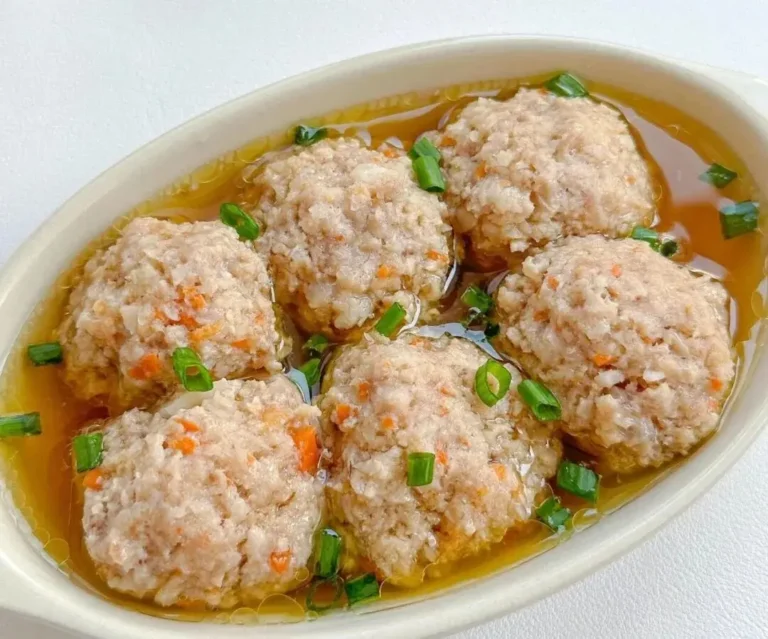
Chinese yam (nagaimo) Meatball Recipe
Table of Contents
I want to share one of my family’s weekly must-make dishes: Chinese Yam (Nagaimo) Meatballs.
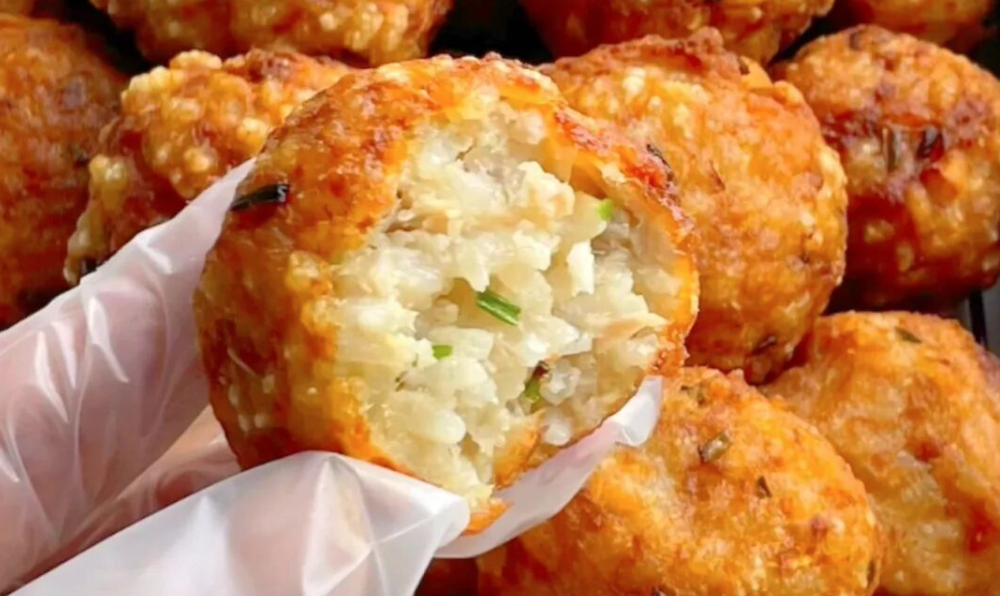
The meat filling is tender, and when you bite into it, you get the natural sweetness of Chinese yam.
They’re savory but not greasy—perfect either fried as a main dish or simmered in soup as a side.
The best part?
The recipe is super simple, even beginners can get it right on the first try.
Once you learn it, you’ll never need to buy frozen meatballs again!
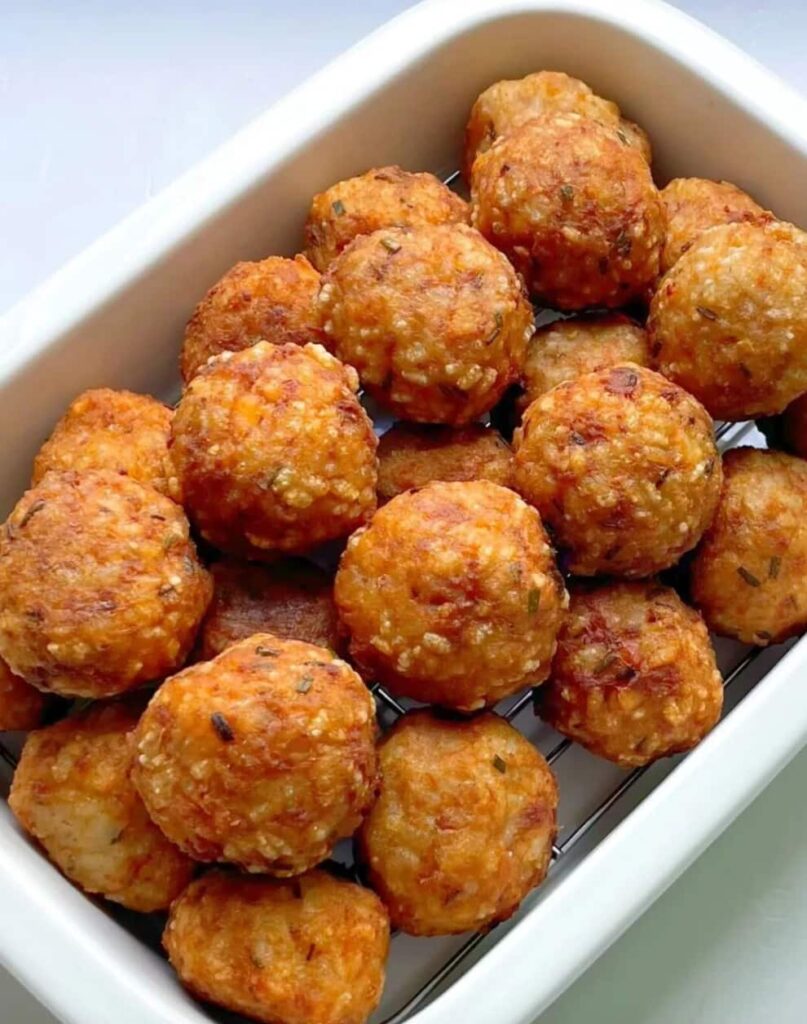
All the ingredients are common and easy to find in most supermarkets.
Pork shoulder is tender and juicy, while Chinese yam adds a crisp texture and helps balance the richness of the meat.
The meatballs have a layered, satisfying chew.
Nutritionally, they’re well-balanced, with protein, carbohydrates, and dietary fiber.
Easy to digest for older adults, appetizing for children, and satisfying for the whole family.
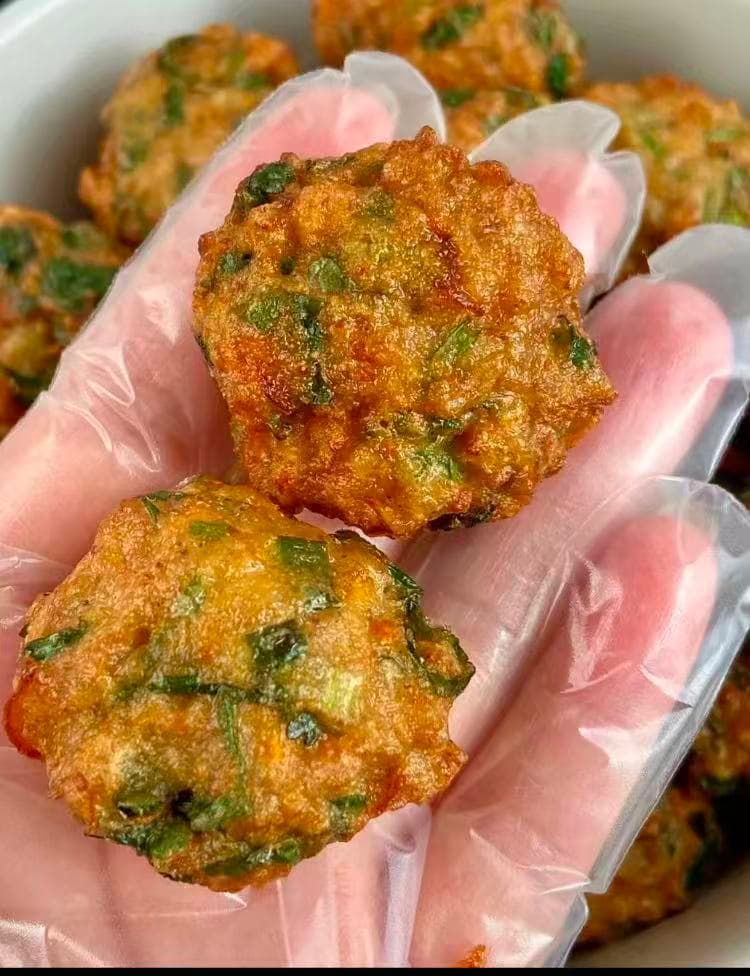
What is Chinese yam?
In China, this is a very common root vegetable with a slender shape and a white or light yellow interior. The skin is thin, the texture is crisp, and it has a slightly sticky (mucilaginous) texture. After cooking, it becomes soft and tender.
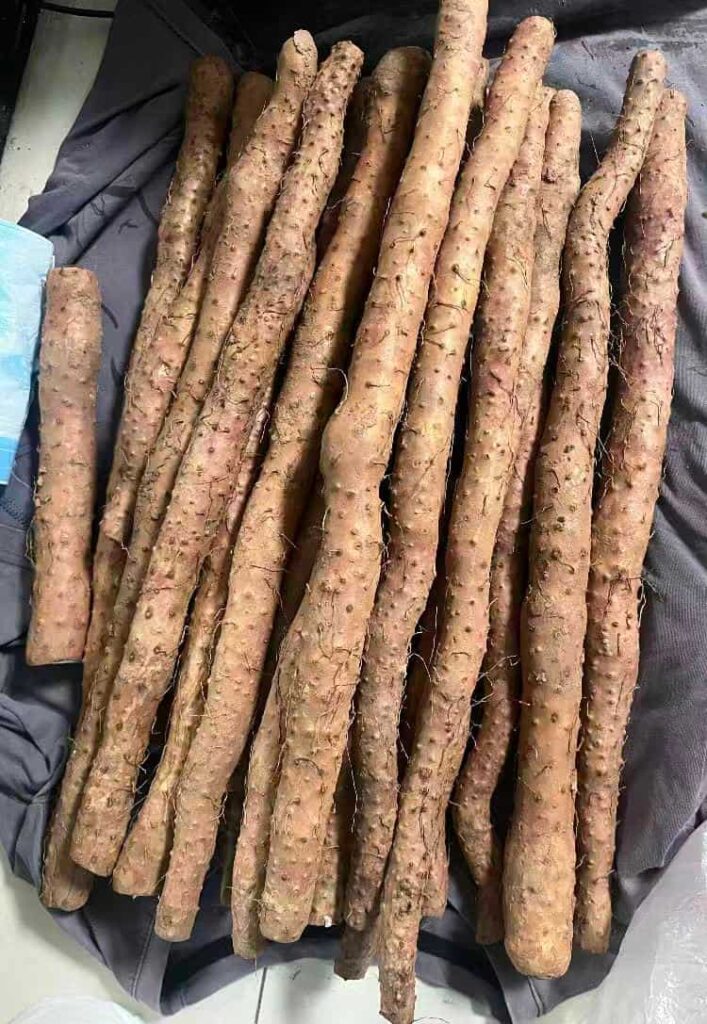
Chinese yam (Nagaimo) is rich in nutrients, including starch, dietary fiber, protein, and various vitamins and minerals. It can be used in soups, stews, or other dishes.
Chinese yam can usually be found at Asian grocery stores. If it’s not available, potatoes or taro can be used as a substitute, though the taste and texture will be slightly different.
Prepare the Ingredients
Choosing and preparing the ingredients is key for these meatballs, especially the meat filling—don’t cut corners! Paying attention to the details will take the texture of your meatballs to the next level.
Pork shoulder (front leg), 500 g: Choose pork with some fat, ideally a 30:70 fat-to-lean ratio. Shoulder has little connective tissue, so it stays tender, and the fat keeps the meatballs moist. If you only have lean pork, add a bit of lard for better texture and flavor.
Chinese yam (Nagaimo), 1 root: When buying, look for smooth skin with a bit of soil on it and no dark spots—this indicates freshness.
Other Ingredients
1 egg (I added more before, but 1 is enough—helps bind the mixture and makes the meatballs firmer).
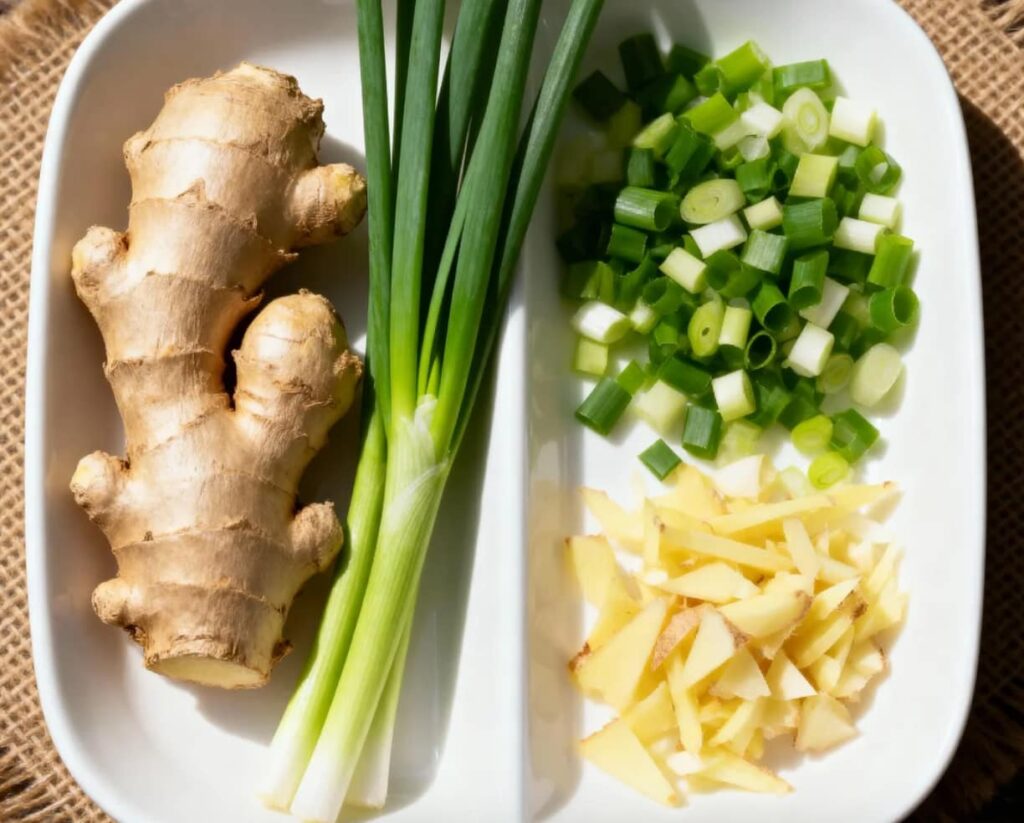
Minced scallion and ginger (removes any meaty smell and adds aroma; chop finely to avoid noticeable chunks).
3g salt (adjust to taste; start with less and add more if needed).
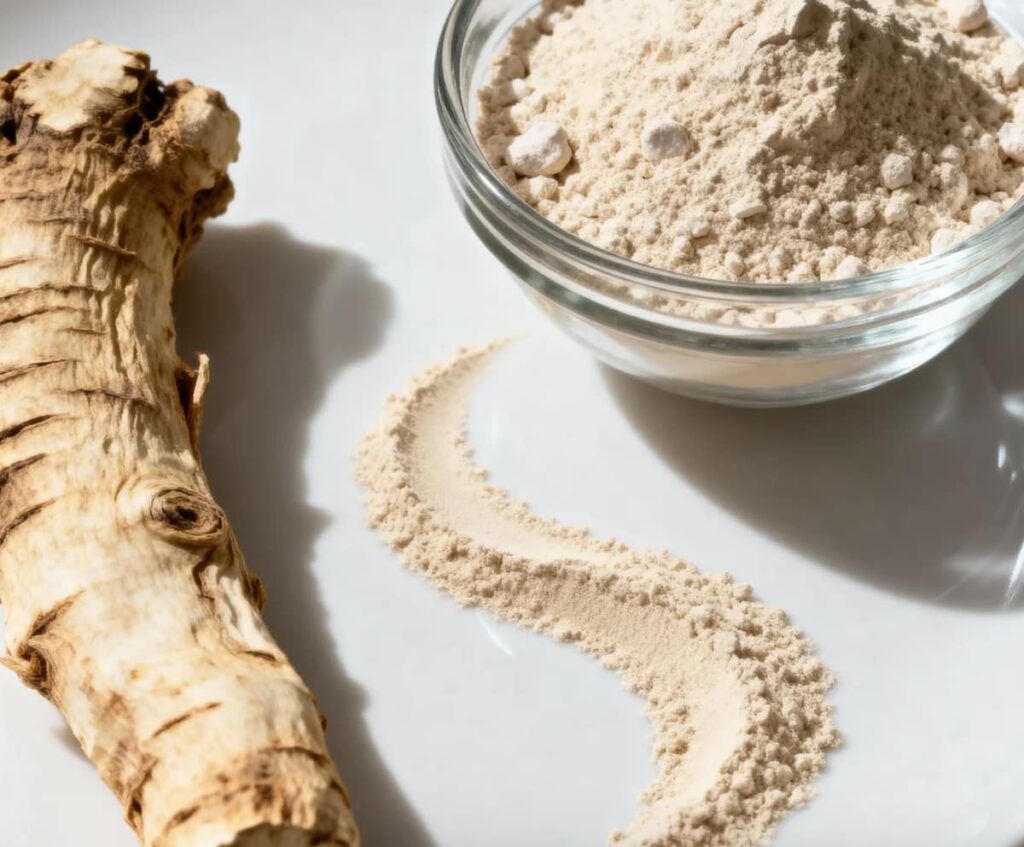
1g angelica powder (optional) (a subtle touch! Milder than typical spices, helps remove meat odor without overpowering flavor; can substitute a small amount of five-spice powder if unavailable).
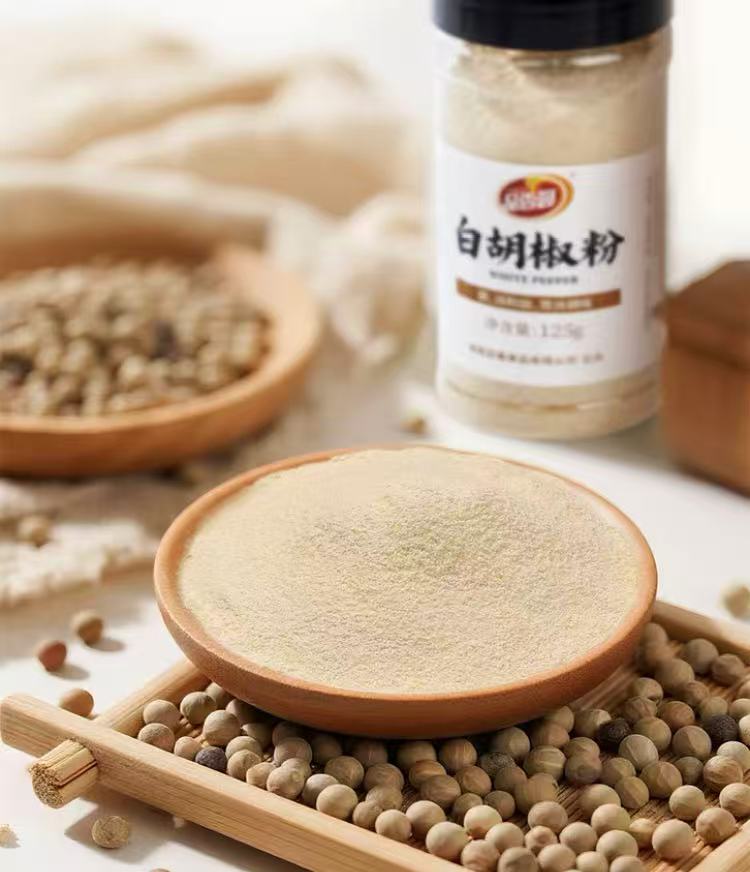
1g white pepper (enhances flavor; don’t add too much, or it will be spicy).
10g light soy sauce (for seasoning; naturally brewed light soy sauce gives a fresher taste).

15g sweet potato starch (makes the meatballs bouncy; don’t use cornstarch, as sweet potato starch has better stickiness).
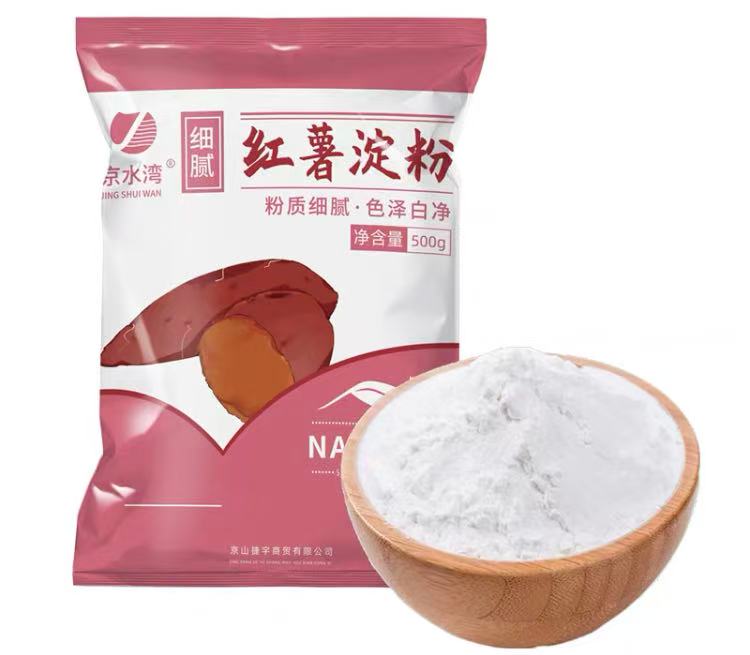
20g cooking oil (mix into the filling to make it smoother and more tender).
Cooking Steps
Many people struggle with meatballs falling apart, lacking flavor, or turning out dry.
The key is simple: mix the filling until sticky, and shape the balls tightly.
Remember these two points, and your meatballs will turn out perfect.
Step 1
Prepare the ingredients and make the filling.
Clean the pork shoulder, cut it into small pieces, and grind it with a meat grinder (if you don’t have one, you can finely chop it with a knife—just chop a bit longer so the texture is smoother).
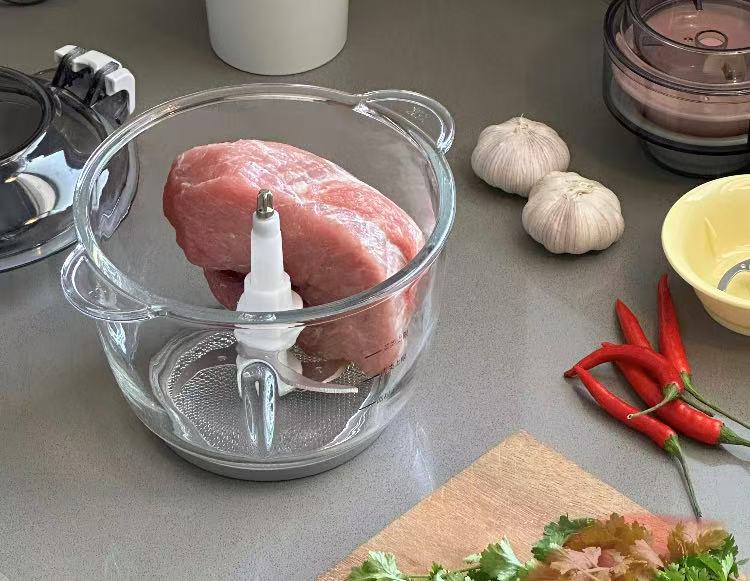
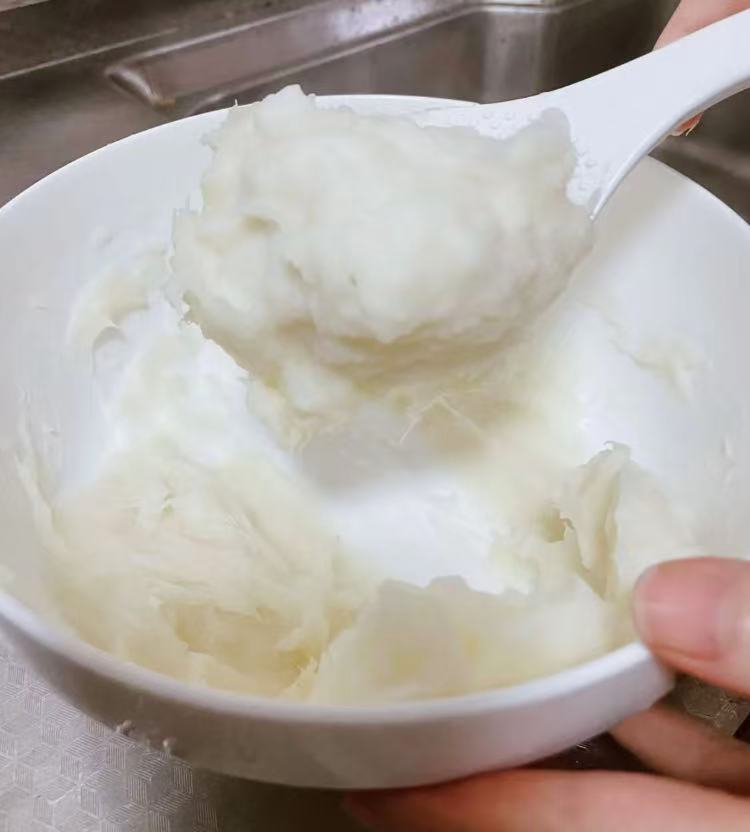
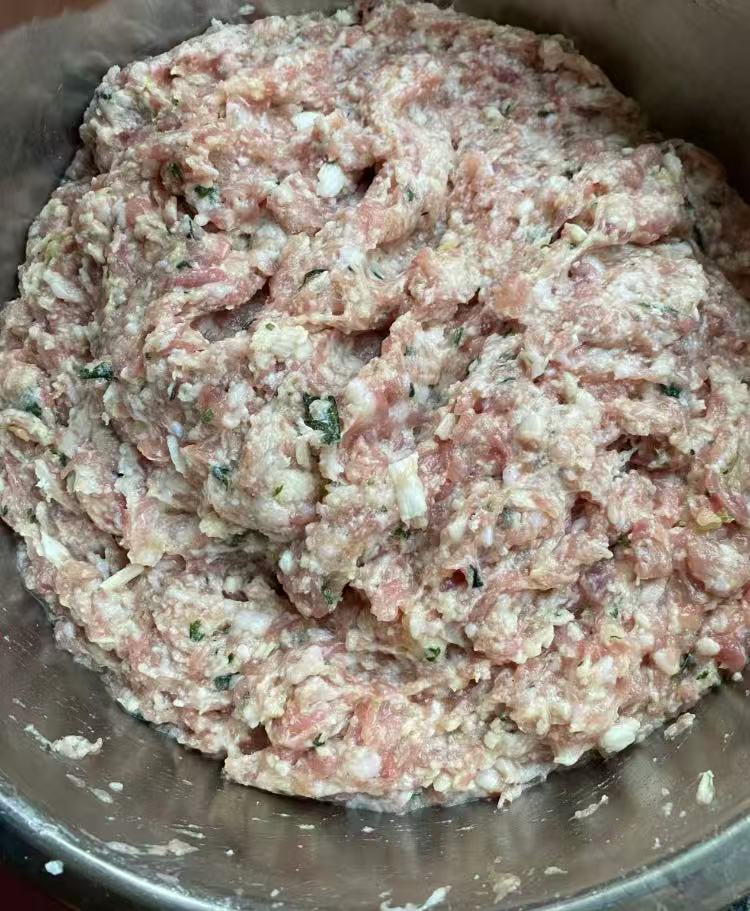
Peel and wash the Chinese yam (nagaimo), then chop it into small pieces. Put the yam and ground pork into a large bowl and mix well.
Add the minced scallion and ginger, then crack in one egg.
Stir in one direction until the egg and meat are fully combined.
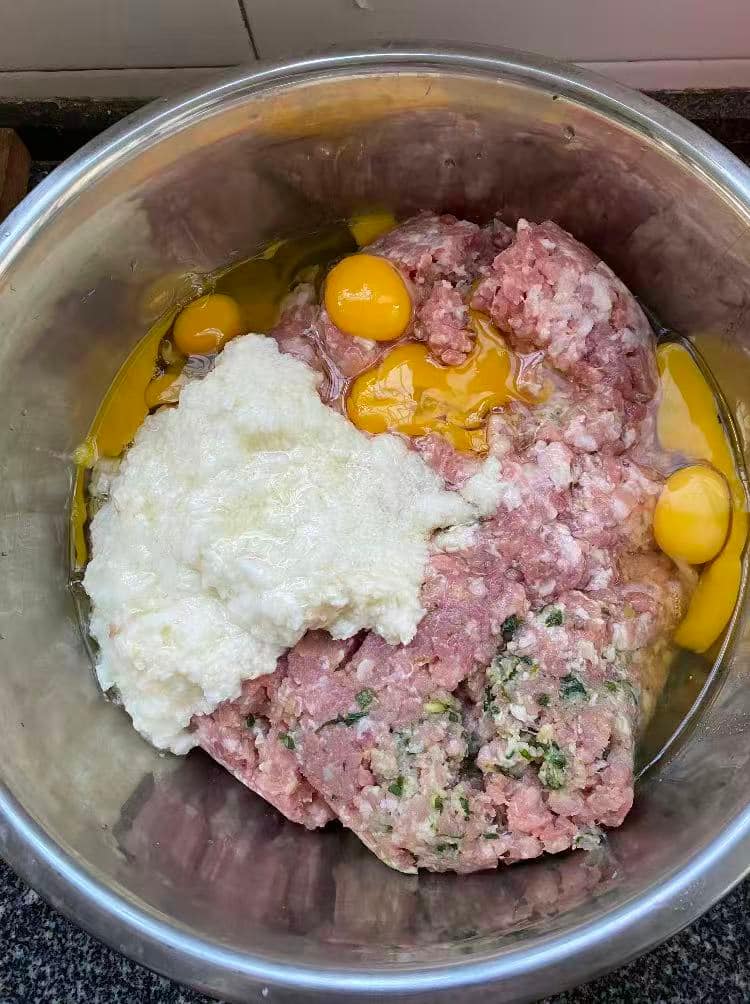
Add salt, angelica powder (optional), white pepper, light soy sauce, and sweet potato starch.
Mix again in one direction until the filling becomes sticky. This step is crucial! The mixture should be thick and able to “hang” from your chopsticks without easily falling—only then will the meatballs hold their shape while cooking.
Step 2
Shape the meatballs and prepare for frying.
Wet your hands with a little water (this prevents the mixture from sticking). Take some filling and gently roll it into a ball in your palms. (Size is up to you—too big and it won’t cook through easily, too small and it may fall apart.)
Place the shaped meatballs on a plate brushed with a thin layer of oil (this keeps them from sticking and makes it easier to pick them up). Be sure to leave a little space between each ball so they don’t stick together.
Step 3
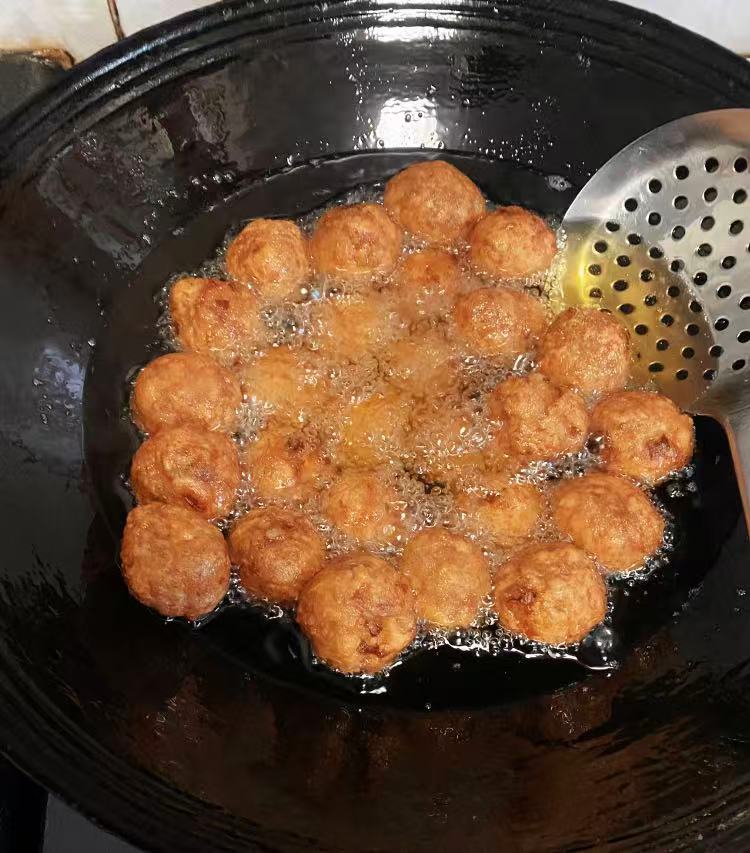
Fry the meatballs.
Heat oil until it reaches medium heat (about 150–160°C / 300–320°F). Add the meatballs and fry until the surface turns golden brown, then remove and set aside.
Two Ways to Enjoy Chinese-Style Meatballs
Freshly fried meatballs are crispy on the outside and tender inside—so delicious that you don’t even need dipping sauce. Kids can easily eat three or four in one go!
Another way is to simmer them in soup with fresh vegetables. The texture becomes wonderfully layered: soft and tender meatballs paired with crisp, refreshing greens. With every spoonful of broth, you get two completely different yet perfectly balanced flavors.
Frequently Asked Questions about Chinese Yam Meatballs
Q: What if Chinese yam (nagaimo) makes my skin itchy?
A: When peeling Chinese yam (nagaimo), it’s best to wear gloves, as the sticky sap can cause skin irritation. If it touches your skin, simply wash your hands with vinegar water to relieve the itch.
Q: My meatballs aren’t firm and fall apart—what should I do?
A: When mixing the filling, always stir in one direction only. This helps the mixture become sticky and elastic, so the meatballs stay firm and don’t break apart. If you switch directions, the filling can loosen and become watery, making the meatballs fragile when steamed or cooked. This step is crucial!
Q: I don’t have the Chinese spices listed in the recipe. Can I substitute with others?
A: Absolutely! Feel free to use spices you’re familiar with or enjoy. Substitutions won’t affect the success of the recipe.
That’s the recipe for Chinese yam meatballs! If my explanation wasn’t clear enough, please feel free to leave a comment with your questions. And if you’d like to explore other styles, you can also check out the Swedish meatball recipe.