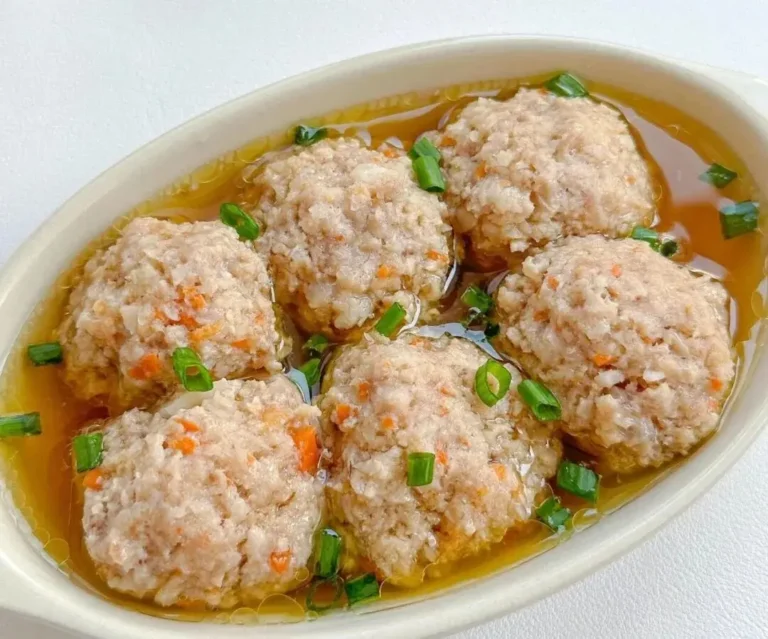

Hakka Taro Pork Meatballs: Savory Pork Hides Sweet Taro
This dish is a staple on Hakka tables across China Meatball Recipe. The rich pork fat, starchy taro, and chewy tapioca starch collide on the palate, delivering deep flavor with just simple steaming. This tutorial breaks down the process step by step, ensuring even beginners succeed on their first try.

Preparation of Taro Meatball Ingredients
① Fresh pork shoulder 500g (ideally 30% fat, 70% lean for tender, succulent meat)
② Starchy taro 200g (select smooth-skinned, heavy-feeling tubers with powdery texture and no stringiness)
③ Supporting Ingredients: 5 dried shiitake mushrooms (soaked, drained, and diced for aroma and umami)
④ 1 stalk celery (leaves removed, diced to cut richness and add freshness)
⑤ Small handful dried shrimp (soaked until soft for enhanced savory flavor)
⑥ Seasonings: Salt + Sugar (3g salt + 1g sugar; sugar enhances umami—use sparingly)
⑦ White pepper + Oyster sauce + Light soy sauce 1 tsp each (White pepper removes meatiness; light soy sauce and oyster sauce set the base color)
⑧ Peanut oil 2 tbsp (Locks in ingredients’ aroma; keeps dish moist after steaming)
⑨ Key ingredient: Authentic tapioca starch (Bai Sha brand) 50g (Do not substitute cornstarch! This is the core for chewiness)
Two、Step-by-Step Guide to Making Taro Meatballs
Master it in just 5 steps, each with handy tips
1. Preparing the Pork: Chop for a “grainy texture” that enhances flavor
Wash the pork shoulder thoroughly. First, cut it into 1cm cubes, then use a cleaver to manually chop it into mince. Transfer the mince to a large bowl, add 1 teaspoon of water, and mix well to make the meat smoother and more tender.
2. Preparing the Ingredients: Taro is the “Soul” – Cutting into Strips Enhances Flavor
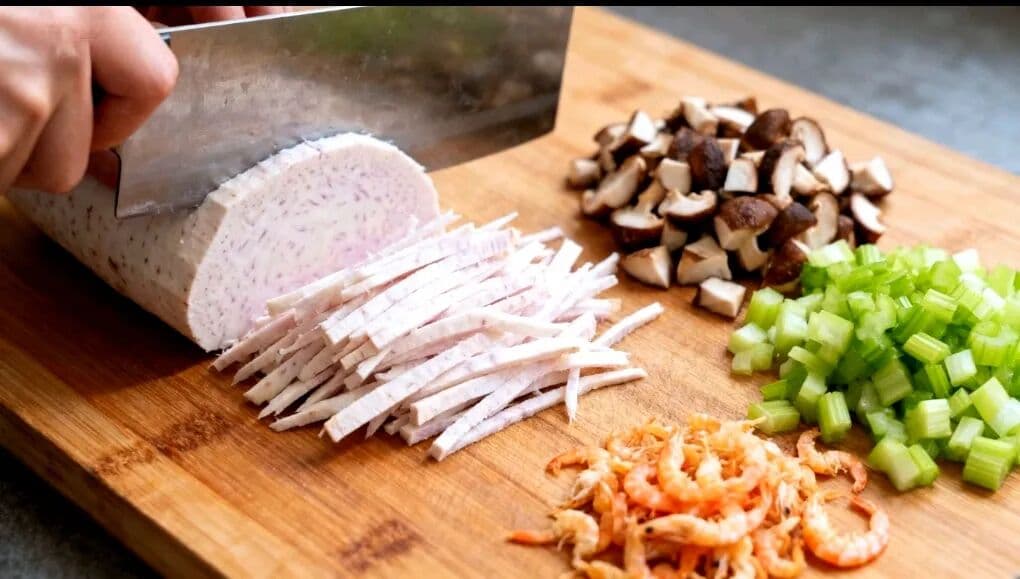
Peel the taro and slice thinly, then cut into 5cm-long thin strips (avoid cutting too finely—they’ll naturally meld during steaming while retaining texture). Add directly to the minced pork. Squeeze excess water from rehydrated shiitake mushrooms and dice. Remove leaves from celery and chop into small sections. Soak dried shrimp until soft, then add to the bowl. Mix thoroughly with the pork and taro strips.
3. Seasoning + Flour: The Secret to Chewiness Lies Here
Add seasonings first: salt, sugar, pepper, oyster sauce, light soy sauce, then drizzle with peanut oil. Stir clockwise with chopsticks for 1 minute to fully infuse flavors into the meat. Crucial step: Pour in 50g tapioca starch and 2-3 tablespoons water. Continue stirring clockwise until the mixture becomes sticky and holds together (it’s perfect when it slowly drips off chopsticks).
4. Forming Meatballs: Even size prevents collapse during steaming
Lightly moisten palms with water (to prevent sticking). Scoop a portion of filling (about 20g) and roll between hands into a ping-pong ball-sized meatball. Place finished meatballs on a steamer tray lined with parchment paper (leave 1cm spacing to prevent sticking after steaming).
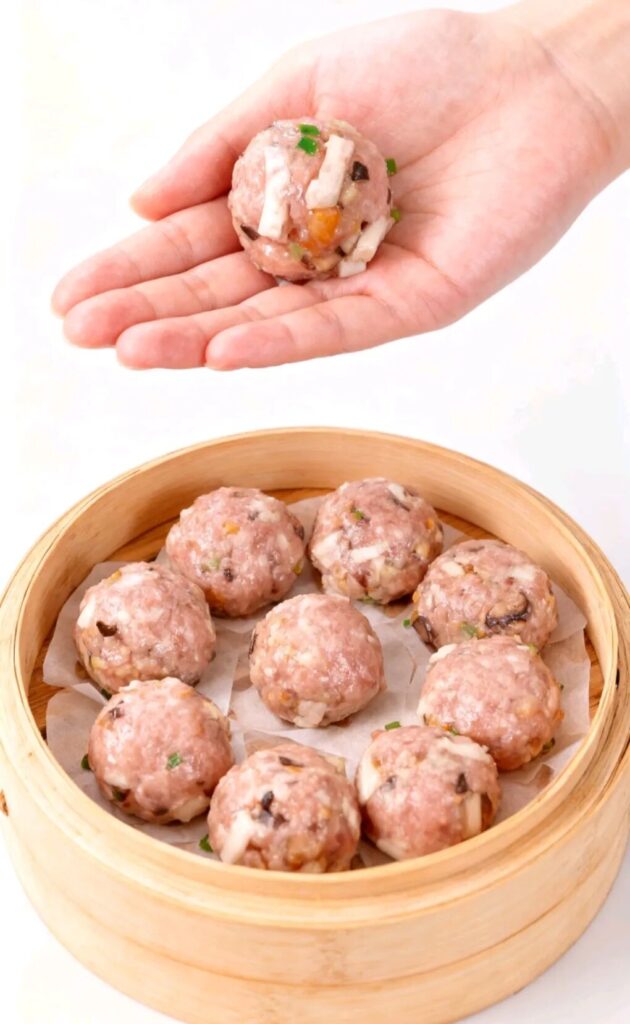
5. Steaming and Serving: 15 Minutes to Lock in Freshness, Fragrance Fills the Room
Bring water to a boil in the steamer, place the steamer basket inside, and steam over high heat for 15 minutes once steam rises. After the timer goes off, turn off the heat and let it sit covered for 2 minutes before opening the lid—an instant burst of aroma will greet you. The meatballs should be plump and puffed up; if they spring back quickly when poked with chopsticks, they’re done.
Meatball “Finished Product Tips”
These steamed taro meatballs are so delicious you’ll want to stomp your feet with delight: their outer layer is smooth and tender, while inside hide fluffy taro strips and springy meat chunks, It can also be made into meatball soup.
Key Considerations for Homemade Taro Meatballs:
1. Avoid over-mincing the meat! Retain small chunks for a satisfying “meaty” texture that prevents dryness.
2. When adding water in Step 3, incorporate it gradually in small amounts to prevent over-moistening.
3. If the filling is too sticky, wet your palms with water for smoother shaping.
4. Keep the lid closed during steaming to maintain temperature and texture.
Simple and delicious—give it a try!